Bringing home a new puppy is an exciting adventure filled with joy, laughter, and, of course, a fair share of challenges. Proper training is essential to ensuring your puppy grows into a well-behaved and happy adult dog in Colorado. This ultimate guide will walk you through the key aspects of puppy training, from obedience to socialization, providing you with the tools and techniques needed for success.
Obedience Training: Building a Foundation
Start Early and Be Consistent
The best time to start obedience training is as soon as you bring your puppy home, typically around 8-10 weeks old. Consistency is crucial; establish a routine and stick to it. Use the same commands and rewards to reinforce desired behaviors.
Basic Commands
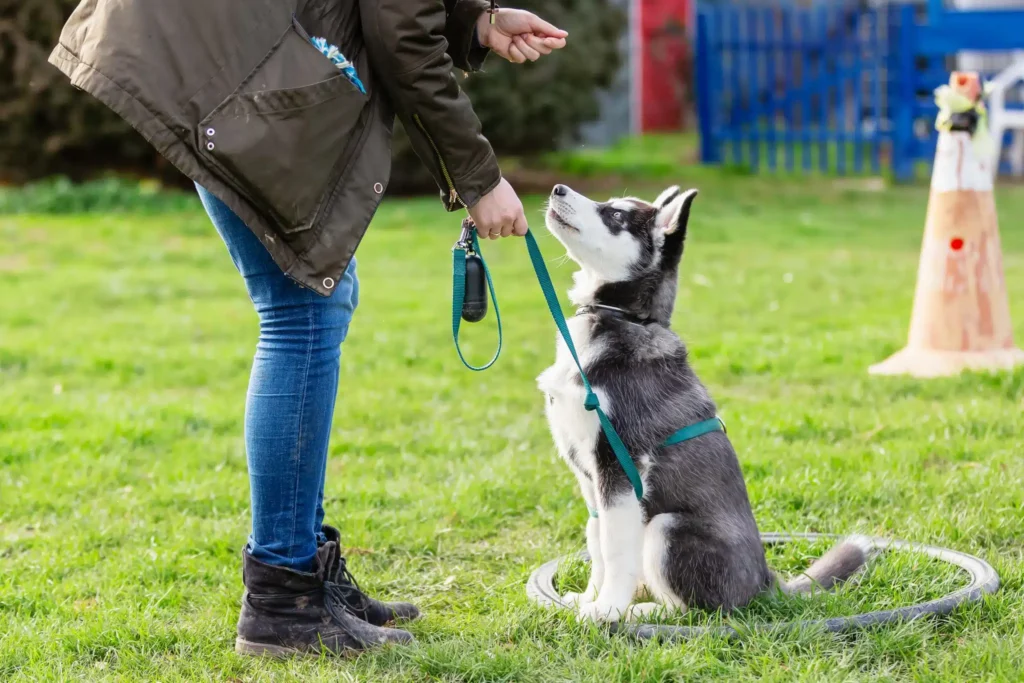
Focus on essential commands like “sit,” “stay,” “come,” and “leave it.” Use positive reinforcement techniques such as treats, praise, and playtime. For instance, to teach “sit,” hold a treat close to your puppy’s nose and move your hand up, causing them to sit naturally. Once they do, reward them immediately.
Crate Training
Crate training helps with housebreaking and provides your puppy with a safe space. Make the crate comfortable with bedding and toys, and never use it as a punishment. Start with short periods and gradually increase the time as your puppy becomes more comfortable.
Housebreaking: Patience and Persistence
Establish a Routine
Puppies thrive on routine. Take your puppy outside frequently, especially after meals, naps, and play sessions. Use a consistent spot and command, like “go potty,” to create a clear association.
Positive Reinforcement
Praise and reward your puppy immediately after they eliminate outside. If accidents happen indoors, clean up thoroughly to remove any scent and avoid scolding your puppy. Instead, focus on reinforcing good behavior.
Socialization: Exposing Your Puppy to the World
Early Socialization
Between 3 and 14 weeks is a critical period for socialization. Expose your puppy to a variety of people, animals, environments, and experiences. This helps them become well-adjusted and reduces fear and aggression.
Puppy Classes
Enroll in a puppy socialization class where your puppy can interact with other dogs and learn basic commands in a controlled environment. These classes also offer valuable guidance from professional trainers.
Handling and Desensitization
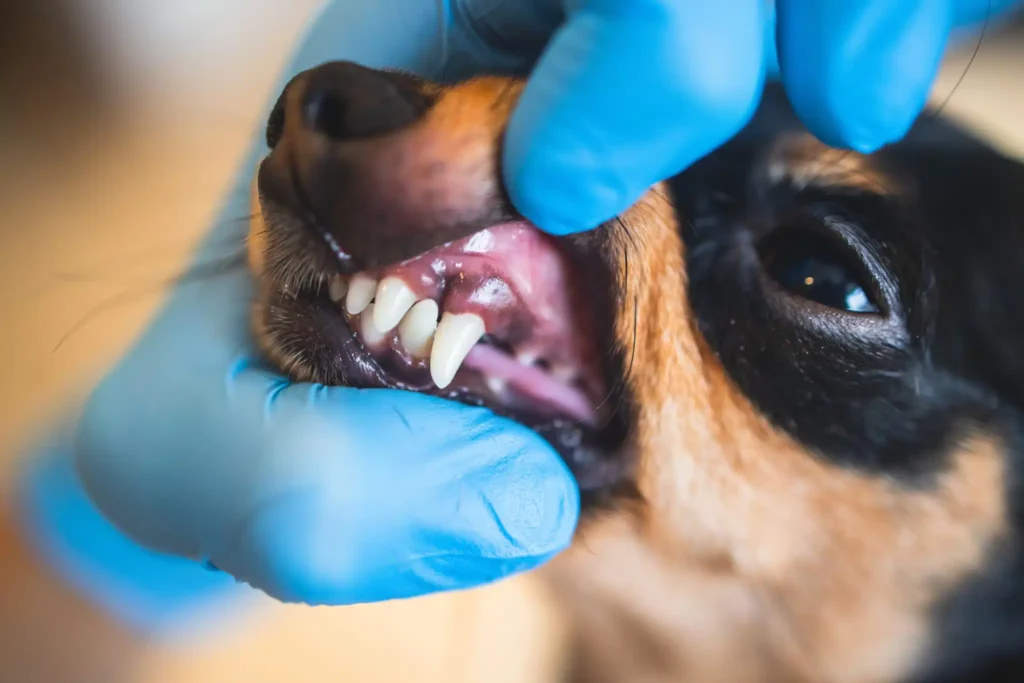
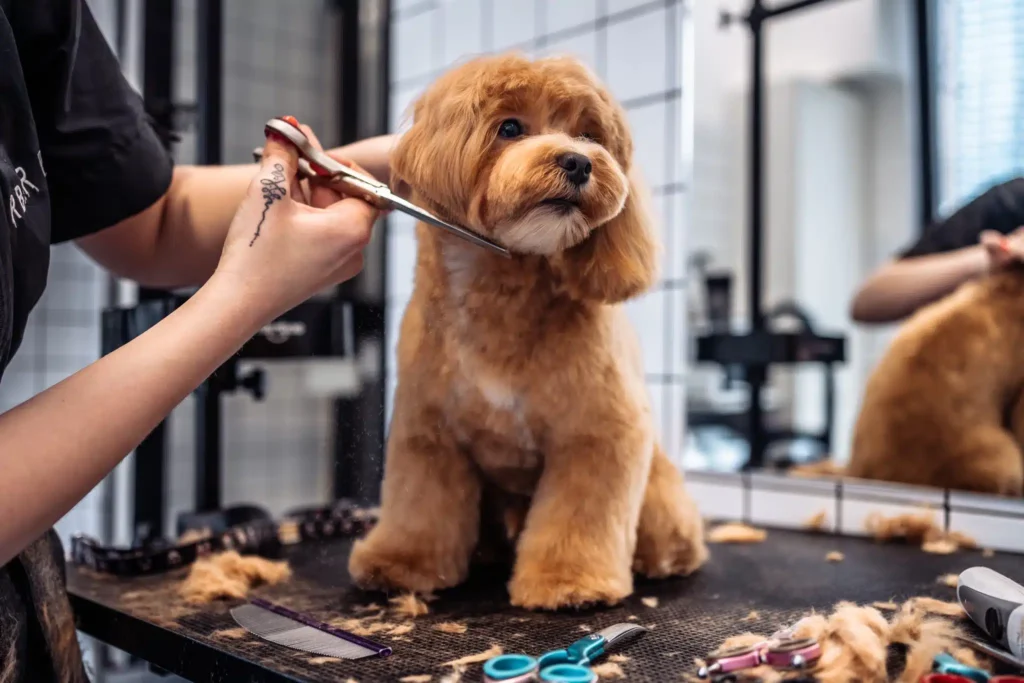
Get your puppy accustomed to being handled by gently touching their paws, ears, and mouth regularly. This prepares them for vet visits and grooming sessions. Gradually introduce them to different sounds, surfaces, and objects to build confidence.
Tips for Successful Training
Be Patient and Positive
Training a puppy requires patience. Celebrate small victories and remain calm during setbacks. A positive attitude will keep your puppy motivated and eager to learn.
Short, Fun Sessions
Keep training sessions short and engaging, around 5-10 minutes, to match your puppy’s attention span. End on a positive note to keep your puppy excited for the next session.
Seek Professional Help
If you’re struggling with specific issues, don’t hesitate to seek help from a professional dog trainer or behaviorist. They can provide personalized advice and support.
Training your puppy is a rewarding journey that lays the foundation for a lifelong bond. With patience, consistency, and love, you can guide your puppy towards becoming a well-behaved and confident adult dog.